

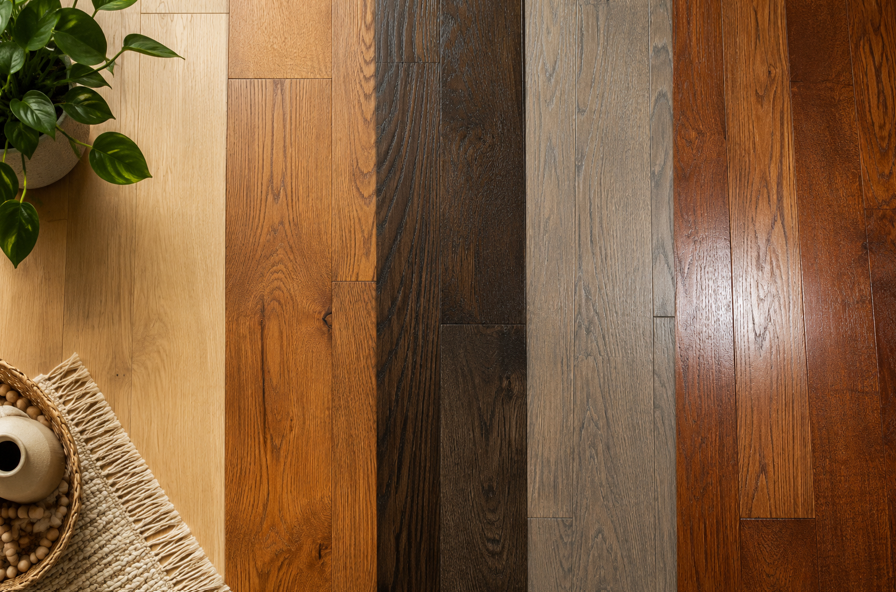
A hardwood floor’s species, color, and plank width shape the first impression, but the finish determines much of how the surface looks and responds to daily life. It affects sheen, color, cleaning, scratch visibility, and the way the wood feels underfoot.
That choice matters in Wisconsin. A Sheboygan household may deal with sandy summer shoes, pets coming in from the yard, snowmelt near the entry, and dry heated air during winter. No finish makes real wood indestructible or completely waterproof, yet the right system can provide dependable protection when it matches the room and the people using it.
At Sheboygan Flooring and Furniture, homeowners can compare beautiful hardwood options with guidance from a family-owned local team. Whether you are selecting a factory-finished floor or planning to refinish existing boards, understanding the main finish types will help you ask better questions and choose with confidence.
Why the Finish Matters as Much as the Wood
A hardwood finish has two main jobs: protect the surface and support the appearance you want. Some finishes form a protective film over the boards, while penetrating finishes soak into the wood’s pores and harden there. The National Wood Flooring Association groups common choices into surface finishes, penetrating oils, hard-wax oils, UV-cured systems, and factory-applied aluminum oxide finishes.
Finish selection influences drying time, wood color, scratch visibility, cleaning products, repair options, and the amount of ongoing maintenance a homeowner accepts.
The finish cannot correct an unsuitable wood species, poor installation, uncontrolled moisture, or damage beneath the surface. It also does not stop wood from responding to indoor humidity. Wood can swell in humid conditions and shrink in dry air, so year-round environmental control still matters. The NWFA recommends keeping homes around 60 to 80 degrees Fahrenheit and 30 to 50 percent relative humidity to reduce seasonal movement.
With that foundation in mind, here are five finish categories worth discussing with a flooring professional.
1. Water-Based Polyurethane for Busy, Design-Conscious Homes
Water-based polyurethane is a film-forming finish that remains on top of the wood. It is usually clear, dries relatively quickly, and is available in several sheen levels. Modern professional waterborne systems are designed for residential and commercial traffic, with some products offering low odor, low volatile organic compound levels, and strong resistance to scuffs and household wear.
What It Looks Like
A clear water-based finish is a strong choice when you want to preserve the wood’s natural tone. It works especially well with white oak, maple, ash, and other floors selected for a pale or neutral appearance.
Because it adds less amber color than a traditional oil-based finish, it can support contemporary interiors, natural Scandinavian-inspired rooms, and homes where the flooring needs to coordinate with cool or balanced colors.
Who It Fits Best
Water-based polyurethane often suits:
Busy families who want a durable surface
Homeowners who prefer a clear, natural wood color
Renovations with tighter scheduling needs
Households sensitive to strong lingering odors
Modern rooms with matte, extra-matte, or satin styling
Pet owners who want a professional-grade protective coating
Drying and full cure times vary by product, coat count, temperature, and humidity. “Dry enough to walk on” is not the same as fully cured, so furniture placement, rugs, and routine cleaning need to follow the installer’s instructions.
What to Consider
Water-based finish quality varies by system. Ask which exact product is included and how its cure time, maintenance, and performance fit the room.
Best lifestyle match: active households that want a durable, low-amber finish and a relatively efficient refinishing schedule.
2. Oil-Based Polyurethane for Warm, Traditional Character
Oil-based polyurethane, sometimes called oil-modified polyurethane, also creates a protective film over the wood. It is known for adding a warm amber tone and building a durable surface. Manufacturer guidance for professional oil-modified finishes describes a tough protective coat with a slight amber color that enhances the natural tone of the wood.
What It Looks Like
Oil-based polyurethane deepens color and brings out warm grain patterns. On red oak, it can emphasize honey, gold, and reddish tones. On other species, it may create a richer, more traditional appearance.
That warmth can be an advantage in craftsman homes, traditional interiors, cabins, and rooms with warm cabinetry or millwork. It may be less suitable when the design goal is to keep a very pale wood looking as light and neutral as possible.
Who It Fits Best
Oil-based polyurethane may appeal to:
Homeowners who enjoy a warm, classic floor
Rooms with traditional woodwork and cabinetry
People who prioritize a substantial film finish
Existing floors that already have an oil-based appearance
Households prepared for a longer project timeline
What to Consider
Oil-based products generally take longer to dry and cure than fast-drying waterborne systems. They may also produce a stronger odor during application. Project ventilation, room access, furniture timing, and household schedules need to be planned with the flooring professional.
The finish can continue to amber as it ages, changing the floor’s color over time. That may be part of the desired character, but it needs to be understood before choosing it for a pale or cool-toned design.
Best lifestyle match: homeowners who value traditional warmth and can accommodate a more extended refinishing process.
3. Penetrating Oil for a Natural, Low-Sheen Floor
A penetrating oil finish enters the wood rather than building the same type of film associated with polyurethane. It can emphasize grain, create a very matte appearance, and give the surface a close-to-the-wood feel.
Professional penetrating-oil systems are available in natural and colored options. Bona describes its two-component penetrating oil as a modified vegetable-oil finish that saturates the wood, supports a matte organic appearance, and can make localized repairs to scratches or gouges easier.
What It Looks Like
Penetrating oil is appealing when the goal is to see and feel the wood rather than create a noticeable coating over it. It can produce a soft, understated surface that works beautifully in rustic, European-inspired, minimalist, and nature-focused interiors.
Colored oils can also influence the tone while leaving the grain visually prominent. Results vary by species and sanding preparation, so samples on the actual wood are valuable.
Who It Fits Best
Penetrating oil may suit:
Homeowners who prefer an ultra-matte, natural appearance
People who appreciate visible grain and texture
Design-focused renovations using white oak or character-grade wood
Households willing to follow finish-specific care instructions
Owners who value the possibility of localized professional repair
What to Consider
An oiled floor has a different maintenance routine from a polyurethane-coated floor. It needs cleaners designed for penetrating-oil finishes, and periodic professional maintenance oil may be appropriate as the surface wears. Bona produces dedicated cleaners and maintenance oils specifically for oiled hardwood floors, illustrating why generic cleaning products are not interchangeable.
Localized repair is not automatically invisible; color, wear, and previous maintenance affect the result.
Best lifestyle match: homeowners who want a natural, matte floor and are comfortable with a specialized maintenance plan.
4. Hard-Wax Oil for Natural Texture and Repair Flexibility
Hard-wax oil combines oils that penetrate the wood with waxes that add surface protection. The result is usually low-luster, tactile, and closely connected to the natural look of the boards.
The NWFA includes hard-wax oils within the penetrating-finish family. Current hard-wax oil manufacturers describe systems designed to resist common household spills and allow spot renewal or repair without sanding an entire room, although the exact process and performance depend on the product.
What It Looks Like
This finish is popular for wide-plank oak, textured boards, hand-scraped surfaces, and floors where homeowners want the grain to remain the visual focus. Matte and satin options can make the floor feel calm rather than glossy.
Hard-wax oil can complement farmhouse, transitional, modern organic, and Scandinavian-inspired interiors. It also works well when a homeowner wants new wear to develop into a softer patina rather than stand out against a highly reflective coating.
Who It Fits Best
Hard-wax oil can be a good fit for:
Homeowners who like a natural, touchable wood surface
Rooms with wide planks or visible texture
People who prefer lower sheen
Households interested in localized maintenance options
Owners prepared to use system-specific cleaners and renewal products
What to Consider
Hard-wax oil is not a no-maintenance finish. Worn traffic lanes may need renewal, and the floor’s care routine needs to match the manufacturer’s system. Damp cleaning or rug placement may also need to wait until the finish has fully cured; one current manufacturer, for example, advises a two-week cure period for certain hard-wax oil products.
Preparation and application affect color and sheen, making professional refinishing valuable.
Best lifestyle match: design-minded homeowners who want natural texture, low sheen, and a maintenance approach that can address selected areas.
5. Factory-Applied Aluminum Oxide for New-Floor Convenience
Aluminum oxide is commonly added to factory-applied hardwood finishes to increase wear resistance. Unlike a site-applied coating, the finish is applied and cured before the boards arrive at the home.
The NWFA describes aluminum oxide finishes as factory-applied and extremely durable. It also notes that factory-finished flooring can be walked on immediately after installation because the color and finish were completed in advance.
What It Looks Like
Factory-finished hardwood is available in a wide range of colors, textures, species, and gloss levels. Current hardwood collections include UV aluminum oxide finishes on smooth, scraped, and wire-brushed engineered planks, showing that durability does not limit homeowners to one visual style.
Because each board is finished separately, factory-finished flooring usually has defined edges or micro-bevels. Some homeowners like the plank-by-plank character, while others prefer the flatter, more continuous appearance of a site-finished floor.
Who It Fits Best
Factory-applied aluminum oxide often suits:
Homeowners buying a new prefinished hardwood floor
Families that want to use rooms soon after installation
Projects where minimizing on-site finishing is important
Busy homes seeking strong factory-controlled wear protection
Buyers who want to see the final color and texture before installation
What to Consider
Factory-applied finish is selected as part of the flooring product, so it is not usually the finish used for a standard on-site recoat. Future repair or refinishing depends on the floor’s construction, wear-layer thickness, finish system, and condition.
Scratches can still occur, and deeply damaged boards may require professional repair or replacement. The finish is highly durable, not damage-proof.
Best lifestyle match: households installing new hardwood that value strong factory protection and immediate post-installation usability.
Match the Finish to the Way Your Home Actually Runs
Still unsure which option fits? Start with the household rather than the finish label. Homeowners comparing hardwood flooring can use the following lifestyle questions to narrow the choices.
Choose Water-Based Polyurethane If
You want to keep the wood looking clear and natural.
The home has children, pets, or frequent visitors.
A shorter drying schedule is important.
You prefer matte or satin contemporary styling.
Choose Oil-Based Polyurethane If
You like warm amber color and traditional character.
The floor already has a rich, oil-finished appearance.
Strong odor and a longer project schedule can be accommodated.
You want a classic film-forming finish.
Choose Penetrating Oil If
Natural grain and an ultra-matte look are top priorities.
You are comfortable using specialized care products.
The possibility of localized repair appeals to you.
You want color options that feel integrated with the wood.
Choose Hard-Wax Oil If
You prefer a tactile, low-luster finish.
The floor has wide planks or visible texture.
You accept periodic renewal as part of ownership.
You want selected worn areas to be serviceable when conditions allow.
Choose Factory-Applied Aluminum Oxide If
You are purchasing new prefinished hardwood.
You want a durable factory-controlled system.
Immediate room access after installation is valuable.
You prefer selecting the final color and sheen in advance.
Do Not Overlook the Sheen Level
Finish chemistry is only part of the decision. Sheen affects appearance and how readily normal wear is noticed.
Gloss reflects the most light and creates a formal, polished effect. Semi-gloss provides noticeable shine without the mirror-like quality of full gloss. Satin gives a softer reflection and remains a popular middle ground. Matte and extra-matte finishes reflect the least light and can make a floor feel natural and relaxed.
The NWFA notes that lower-sheen finishes make small scratches and ordinary wear less noticeable. That can be helpful in active Wisconsin homes where pets, winter grit, toys, and everyday movement are part of life.
Low sheen does not prevent scratching; it simply reduces contrast and reflection. Color and texture matter too. Mid-tone floors with grain variation often disguise dust and minor marks more readily than very dark, smooth, high-gloss surfaces.
Ask to see larger samples rather than making the decision from a small chip. Place them near windows and under evening lighting to understand how the sheen behaves throughout the day.
Protect Any Finish Through Wisconsin Winters
The strongest finish still benefits from a sensible care routine. Snow, water, road salt, and grit can collect near entrances during winter. The NWFA warns that salt residue can be abrasive and recommends mats, breathable rugs, frequent dry cleaning, and immediate attention to puddles.
Use these habits throughout the year:
Place mats outside and inside frequently used entrances.
Remove wet shoes before walking across hardwood.
Sweep, dust mop, or vacuum with a bare-floor setting.
Wipe spills promptly with a dry or slightly damp cloth.
Avoid steam mops and soaking-wet cleaning methods.
Use a cleaner approved for the floor’s exact finish.
Add protective pads beneath furniture legs.
Keep pet nails trimmed.
Maintain stable indoor temperature and humidity.
A dull surface does not always require a full sanding. Depending on the finish and condition, a professional maintenance coat may renew protection. Deep scratches, exposed bare wood, dents, or widespread damage may call for a complete sand and refinish. The NWFA recommends professional evaluation because the appropriate process depends on the existing finish and the floor’s construction.
Choose Protection That Fits Your Priorities
There is no universal “best” hardwood finish. Water-based polyurethane offers clear color and efficient drying. Oil-based polyurethane brings warmth and traditional character. Penetrating oil creates a natural, matte appearance. Hard-wax oil combines tactile beauty with selected repair flexibility. Factory-applied aluminum oxide provides durable protection and convenience for new flooring installations.
The best choice reflects your wood species, room use, design goals, maintenance preferences, and renovation schedule. A family with two dogs may make a different decision from a couple restoring a traditional dining room, and both choices can be right.
Samples and product specifications provide a clearer picture than finish names alone. Review color, sheen, texture, care requirements, cure time, and future maintenance before approving the project.
Ready to compare hardwood floors and finish options for your Wisconsin home? Reach out to us for personalized guidance on products that fit your rooms, style, and everyday routine.


